When UK Passport Consent Needs Notarisation: Get It in One Hour
By Jeremy Arhab, Founder · Published 7 October 2026 · Updated 7 October 2026
Clear UK guide on when passport consent must be notarised, how apostilles differ, and how to obtain a sealed online notarisation with about a one hour...
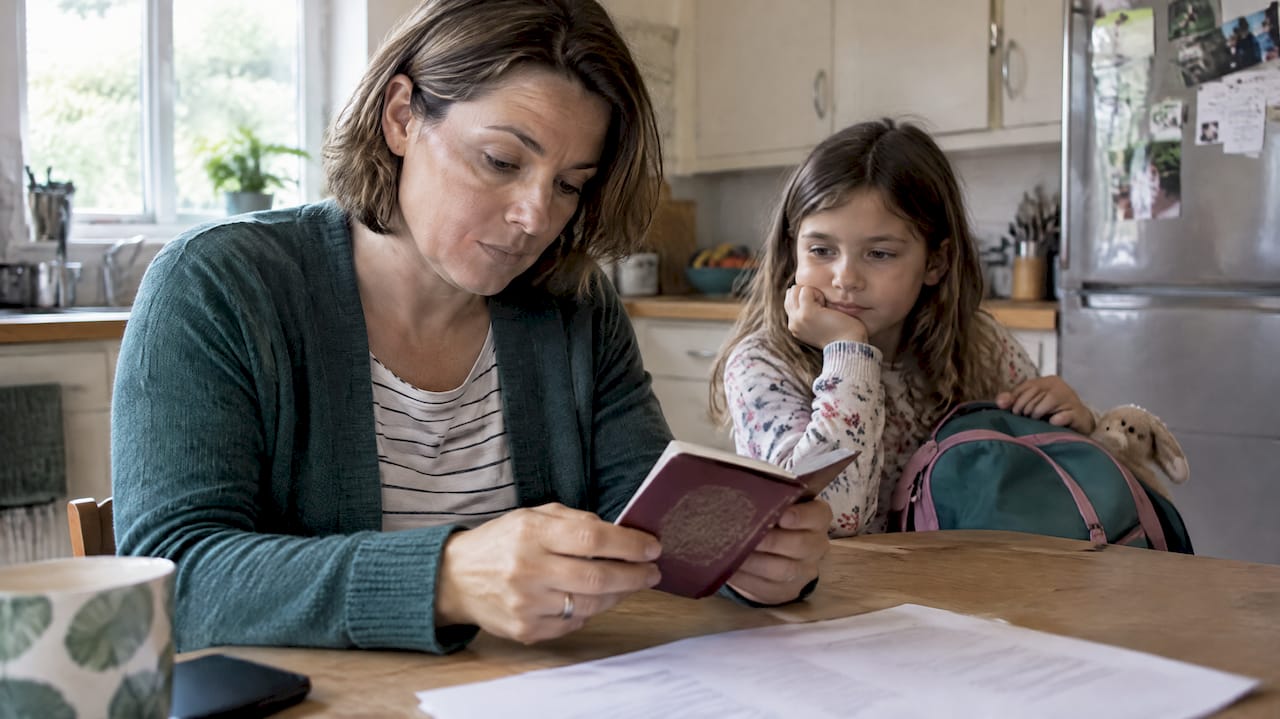
Notarisation is not always required for a UK passport consent letter. HM Passport Office usually accepts a signed, dated letter from everyone with parental responsibility, but it insists on a wet-ink signature and original documents. Notarisation becomes advisable when a foreign authority, airline or court asks for extra verification. Check who holds parental responsibility and what your destination expects before you book anything.
***
TL;DR: - Notarisation is mainly needed when a foreign authority, airline, or court requires extra verification for a UK passport consent letter. - A notary witnesses signatures, verifies identity with ID, and issues a sealed certificate, but does not guarantee acceptance by HM Passport Office or foreign entities. - An apostille confirms a notary’s signature is genuine and is typically required for recognition in Hague Convention countries, while legalisation applies outside this group. - Preparing in advance with valid ID, relevant court orders, and a clear, unsigned consent letter minimizes delays during notarisation. - Online notarisation enables remote sessions, providing a certified document within about one hour, but always confirm destination requirements beforehand.
***
Table of Contents
- What a commissioned notary does for passport and consent documents
- When notarisation is required or advisable for passport consent in the UK
- Notarisation, apostille and legalisation: what each does and when you need them
- Preparing for a notary appointment: documents, consent letters and evidence of parental responsibility
- Common mistakes that cause passport or travel consent delays
- How to get documents notarised in the UK: routes, timelines and what online notarisation involves
- Balancing cost, speed and risk for UK travellers and parents
- How we help with passport consent notarisation
- FAQ
- Sources
What a commissioned notary does for passport and consent documents
A commissioned notary is a legal professional authorised to witness signatures, certify copies and issue a notarial certificate confirming that a document was signed in their presence after an identity check. For passport consent letters, this usually means verifying the signatory's passport, watching them sign, and attaching a notarial certificate with a stamp or seal confirming the act took place.
A certified copy and a notarised statement are not the same thing. A certified copy confirms that a photocopy matches an original document. A notarised statement, such as a consent letter, confirms that the named person actually signed it, on that date, after proving their identity.
- A notary checks photo ID against the person signing, usually a valid passport.
- A notary witnesses the signature in real time rather than relying on a document already signed.
- A notary issues a certificate with wording that identifies the document, the date and the signatory, carrying the notary's seal.
A notary cannot guarantee that HM Passport Office or a foreign authority will accept the document. That decision always sits with the requesting body.
When notarisation is required or advisable for passport consent in the UK
HM Passport Office guidance usually accepts a signed letter from everyone with parental responsibility for a child passport application, but caseworkers can ask for birth certificates, court orders or further evidence when something does not add up. Notarisation does not replace a wet-ink signature or an original document when the Passport Office specifically asks for one.
Notarisation tends to matter more once a foreign authority is involved. A consulate, foreign court or airline may insist on a notarised consent letter before allowing a child to travel, especially when only one parent is present at the border.
- Check whether the destination country's consulate lists notarisation as a requirement for minors travelling with one parent.
- Confirm whether the document will also need an apostille for use overseas.
- Work out how much time remains before travel, since notarisation and any apostille add processing days.
- Flag special cases early: shared or disputed parental responsibility, an existing court order, or a third party applying on a parent's behalf.
When none of these apply, a standard signed letter is usually enough, and notarising it adds a layer of proof rather than a legal necessity.
Notarisation, apostille and legalisation: what each does and when you need them
Notarisation, apostille and legalisation solve different problems, and confusing them causes most delays for documents going abroad.
Notarisation confirms that a named person signed a document in front of a notary after an identity check. An apostille, under the Hague Apostille Convention, is a separate certificate issued by a competent authority that confirms the notary's signature and seal are genuine, so the document can be recognised in another country that is party to the Convention. Legalisation is the older, more manual route used for countries outside the Convention, usually involving an embassy or consulate.
- Notarisation alone is often enough for UK domestic use or when a recipient has not asked for further authentication.
- An apostille is typically needed when a notarised document must be recognised by an authority in another Hague Convention country.
- Full consular legalisation applies only when the destination country has not joined the Apostille Convention.
HCCH guidance on the e-Apostille Programme confirms that electronic apostilles are valid wherever a country has implemented the system, offering a faster alternative to paper certificates. Always check with the destination authority or consulate directly, since requirements vary by country and by the type of document.
Preparing for a notary appointment: documents, consent letters and evidence of parental responsibility
Arriving prepared avoids a wasted appointment and a second booking.
- Bring a valid passport for identity verification, plus the birth certificate of any child named in the consent letter.
- Bring any court order relevant to parental responsibility if responsibility is shared, disputed or delegated.
- Draft the consent letter with full travel details: destination, dates, the travelling parent or guardian's name, and a contact number for the parent giving consent.
- Leave the signature page unsigned until you are in front of the notary, since the signature must be witnessed rather than pre-completed.
- Confirm with the recipient whether a countersignatory is also expected, since some authorities want a second adult to confirm the facts stated.
Online sessions typically follow the same structure: the notary checks the document is unsigned, verifies identity against a passport on camera, records the session, witnesses the signature, and applies the notary's seal before delivering the certified document.
Pro Tip: Keep the consent letter to one page with clear dates and contact details. A longer letter gives a border official or caseworker more to query.
Common mistakes that cause passport or travel consent delays
Most delays trace back to the same handful of errors, all avoidable with basic preparation.
- Submitting a consent letter without clear evidence of parental responsibility, which prompts caseworkers to request further proof.
- Sending a document with a typed or scanned signature instead of a genuine wet-ink one.
- Providing a photocopy when HM Passport Office or a foreign authority has asked for an original.
- Skipping a check on whether the destination or airline needs an apostille or a certified translation alongside the consent letter.
HM Passport Office guidance confirms that consent letters must carry a wet-ink signature and that original documents are preferred over copies, which is the single most common reason applications stall. Caseworker guidance on parental responsibility also sets out when staff will ask for a court order or further supporting evidence, so checking this before you apply saves a repeat submission.
How to get documents notarised in the UK: routes, timelines and what online notarisation involves

UK residents can notarise a consent letter either in person or over video call, and both routes end in the same notarial certificate.
An in-person appointment means travelling to a notary's office, waiting for an available slot, and signing in their physical presence. A video-call session covers the same legal act remotely: identity verification against a passport, a recorded session, witnessing of the signature, and delivery of the sealed, notarised document once the session ends.
- In-person notarisation usually depends on office hours and local availability, which can add days if you need an urgent slot.
- Online notarisation checks identity by passport, records the session for audit purposes, and handles the document only once it has been confirmed as unsigned.
- Once notarised, a document that needs to travel can go on to the apostille stage, a separate step handled by the competent UK authority.
- We offer online notarisation sessions with a stated turnaround of around one hour for the notarial certificate itself, though any following apostille step adds its own processing time.
Before you travel, confirm with the airline, consulate or border authority whether they want the notarised original, a certified copy, or a document carrying an apostille. Each has a different production time, so checking early avoids a last-minute scramble.
Balancing cost, speed and risk for UK travellers and parents
Pay for notarisation upfront when travel is imminent or a foreign authority has already specified it. Wait for a direct request from HM Passport Office when the application is a routine renewal with no overseas complication.
For last-minute travel: confirm who holds parental responsibility, check the destination's documentary rules, and book a notary session only once you know exactly what will be asked of you.
— Jérémy
How we help with passport consent notarisation
We handle consent letters and related documents entirely over video call, which matters most when travel is close and an in-person notary slot is not. Identity is checked using a passport, the session is recorded, and the document stays unsigned until the notary has confirmed the signatory and witnessed the signature live.
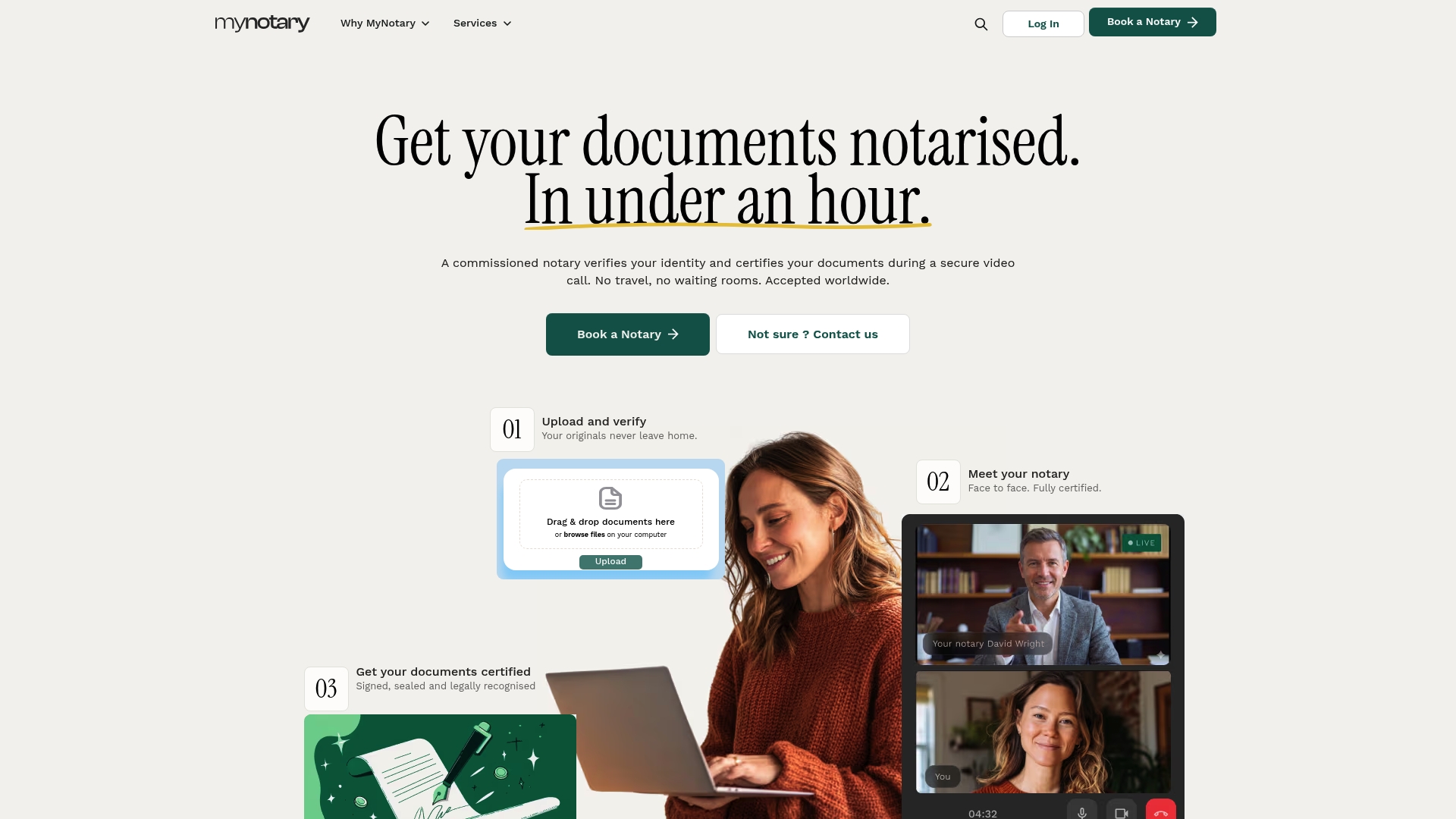
- Our child travel consent service covers the exact scenario of a parent or guardian needing a witnessed, sealed consent letter.
- Certified copies and identity verification are available as separate services where proof of an original document is requested.
- Booking takes place online, with identity checks and signing handled in one session, and a turnaround of around one hour once the appointment is complete.
Our full list of notarisation services, including Certified True Copy, Degree and Diploma Certification, and Affidavit Notarisation, sits on one page if your situation needs more than a consent letter. If your document is heading overseas, our guide to the apostille process explains how to combine notarisation with that extra step.
This article is general information, not a substitute for advice from a qualified lawyer. Consult a qualified legal professional about your own circumstances before acting on anything here.
FAQ
Who can notarise a passport consent document in the UK?
A commissioned notary carries out the identity check, witnesses the signature and issues the notarial certificate. We offer this as an online video-call service, with the same legal act completed remotely rather than in a physical office.
How do I write a consent letter for my child's passport?
Include the travelling parent or guardian's name, full travel dates and destination, and a contact number for the parent giving consent, then leave it unsigned until you are with the notary. HM Passport Office guidance confirms a signed letter from everyone with parental responsibility is usually enough for UK applications, with evidence such as birth certificates requested where needed.
How can I get documents notarised in the UK without visiting an office?
Online notarisation sessions verify identity against a passport, record the session, and witness the signature over video call before issuing a sealed certificate. We complete this process with a stated turnaround of around one hour for the certificate itself.
What is the difference between notarisation and an apostille?
Notarisation confirms a person signed a document after an identity check, while an apostille, under the Hague Apostille Convention, confirms the notary's own signature and seal are genuine for use in another country. Not every document needs both, so check the destination authority's own requirement first.
What happens if a notarised consent letter is rejected?
Ask the rejecting authority exactly which element failed, since it is often a missing apostille, an unclear signature, or absent evidence of parental responsibility. From there you can return to a notary to correct the document or add the missing authentication step, such as an apostille, before resubmitting.
Sources
Recommended
Got questions? We’re on it.
Most questions are answered here, drawn from what people actually ask before booking. If yours isn’t, our team is in chat.
A commissioned notary carries out the identity check, witnesses the signature and issues the notarial certificate. We offer this as an online video-call service, with the same legal act completed remotely rather than in a physical office.
Last updated: