UK Apostille From Abroad: Prepare Documents by Video
By Jeremy Arhab, Founder · Published 13 October 2026 · Updated 13 October 2026
A UK apostille from abroad depends on document type and paper or electronic requirements. Learn what qualifies and how online notarisation helps.

Yes, you can usually get a UK apostille while you're abroad, as long as the document was issued in the UK or carries a signature, stamp or seal that the Legalisation Office recognises. The first thing to check is whether your recipient wants a paper apostille or will accept an e-Apostille, because that choice shapes every step that follows.
***
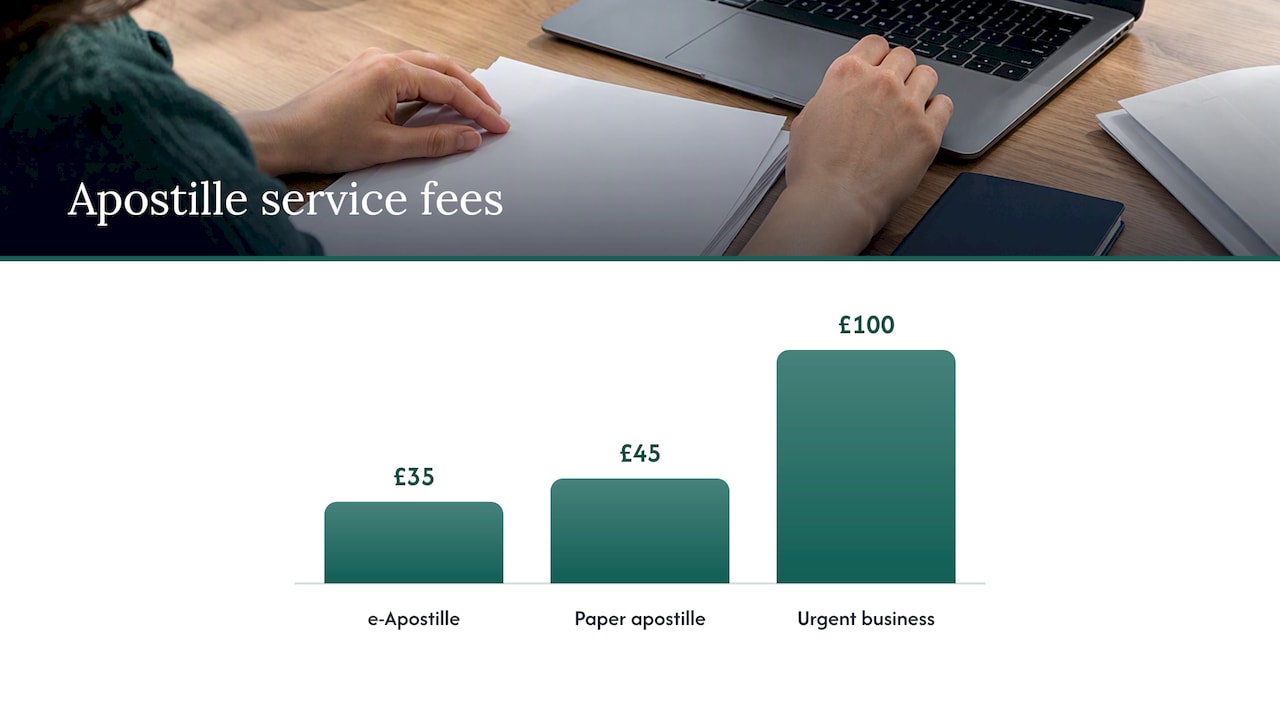
TL;DR: - The Legalisation Office accepts UK documents bearing recognized signatures, stamps, or seals; documents issued abroad must be legalized in their country of origin. - Digital apostilles cost £35 and avoid courier delivery, but certain registry certificates and police records require paper, and recipients must accept digital certificates. - Paper apostilles cost £45, while businesses can pay £100 for urgent service; standard processing takes several working days, and overseas courier time adds delay. - When required, a certified true copy or recognized notarial certificate can prepare a document for application from abroad; arranging it early avoids mailing originals. - For destinations outside the Hague Convention, the apostille needs embassy stamping in London, followed by final approval from the destination country’s foreign ministry.
***
Table of Contents
- Who and which documents qualify for a UK apostille when you're abroad
- Document types and special cases for apostille from overseas
- Step-by-step process to get a UK apostille while you're abroad
- Paper apostille vs e-Apostille: which to choose from overseas
- What it costs and how long it takes to get a UK apostille
- If the destination country isn't party to the Hague Convention
- What British embassies and consulates can and cannot do
- How online notarisation helps prepare documents for a UK apostille
- A practical view on planning your apostille from abroad
- Getting your documents ready for a UK apostille with MyNotary
- FAQ
- Sources
Who and which documents qualify for a UK apostille when you're abroad
The core rule is straightforward: the Legalisation Office only apostilles documents issued in the UK or bearing a signature, stamp or seal it holds on record. Documents issued abroad cannot be apostilled through the UK service; they need legalising in the country where they were issued.
Most UK-origin paperwork qualifies without complication, including:
- Birth, marriage and death certificates from the General Register Office
- Degree certificates and academic transcripts from UK universities
- Company documents such as certificates of incorporation
- Documents signed by a UK solicitor, commissioned notary or other recognised signatory
A document signed while you're physically abroad can still qualify, provided the signatory is recognised in the UK and the signature or seal matches what the Legalisation Office holds. This is why many people abroad arrange a UK-recognised certification step, such as a certified true copy or a notarial certificate, before applying.
Document types and special cases for apostille from overseas
Not every document moves through the process the same way. Some can go through entirely online as an e-Apostille, while others need a paper original.
| Document type | e-Apostille eligible | Notes |
|---|---|---|
| Birth or marriage certificate | No | Certain GRO certificates are excluded from e-Apostille |
| Degree or diploma certificate | Yes | Often needs a certified true copy first |
| Power of attorney | Yes | Usually requires notarisation before submission |
| Company incorporation documents | Yes | Original company seal must be verifiable |
| Police or disclosure certificates | No | Excluded from the electronic route |
Certified true copies are often the practical route for readers abroad, since the original registry document stays safe at home while a certified copy travels through the apostille process. If your destination requires a translation, arrange it before applying, since most recipients want the apostille to cover the final document they'll actually use.
Step-by-step process to get a UK apostille while you're abroad
Getting an apostille from overseas follows a predictable sequence, even though you're not physically in the UK to manage it.
- Confirm recipient requirements. Ask whether they'll accept an e-Apostille or need a paper original, and whether a certified true copy is acceptable.
- Arrange UK-based certification if needed. If your document needs a recognised signature or certified copy, this is the step to sort out before applying, often through remote notarisation rather than posting an original back to the UK.
- Submit the apostille application. Apply online through the Legalisation Office for either the paper or digital route.
- Choose your delivery method. Decide whether the apostilled document needs posting internationally or can be delivered electronically to your recipient.
The Legalisation Office typically asks for the original document or certified copy, a completed application form, and proof of identity matching the signatory's details.
Pro Tip: Start with the certified copy or notarisation step well before you need the final apostille, since courier time to and from the UK often takes longer than the apostille itself.
Readers preparing company documents or powers of attorney for overseas use often find our step-by-step apostille guide useful for mapping out the full checklist before they start.
Paper apostille vs e-Apostille: which to choose from overseas
An e-Apostille is an apostille issued in digital form, created and signed electronically and linked to a secure digital certificate. According to HCCH, it carries the same legal weight as a paper apostille among contracting parties to the Hague Convention.
For readers abroad, the e-Apostille route removes the need for international courier delivery entirely, since the certificate can reach a recipient by email within hours of approval.
- Some documents, including certain GRO certificates and police or disclosure records, cannot use the e-Apostille route and need a paper original instead.
- Always confirm the recipient accepts a digital certificate before choosing this route, since some institutions still insist on paper.
- Our guide to getting an e-Apostille quickly covers which document types move fastest through the digital system.
What it costs and how long it takes to get a UK apostille
The standard paper apostille service costs £45, while an e-Apostille costs £35, and businesses can pay £100 for an urgent service. These figures come directly from the Consular Fees (Amendment) Order 2023, which set the current fee structure.
Standard processing typically takes several working days, with faster paid options available for businesses. Readers abroad should also budget for international courier costs if a paper apostille needs posting overseas, since that leg of the journey often takes longer than the apostille itself. Arranging a certified copy or notarial certificate through a remote service before applying can shave real time off the overall process, since it avoids waiting for an original document to cross borders twice. Our breakdown of apostille costs in the UK covers how optional add-ons affect the total bill.
If the destination country isn't party to the Hague Convention
Some countries haven't signed the Hague Convention, which means a UK apostille alone won't be enough. The process then runs in three stages:
- First, the document goes through standard UK apostille legalisation.
- Second, the destination country's embassy in London stamps the apostilled document.
- Third, the relevant ministry of foreign affairs in the destination country gives final approval once the document arrives.
Readers abroad often appoint a UK-based contact or use a secure courier service to manage the embassy stamping stage, since it has to happen in London. Our country-by-country apostille list shows which destinations fall outside the Convention and need this extra route. Readers dealing with family court documents abroad may also find background on cross-border recognition useful in this overview of the Hague Convention in family law.
What British embassies and consulates can and cannot do
British embassies and consulates cannot legalise UK documents or issue apostilles themselves. Their role in the legalisation chain is limited to stamping documents already apostilled in the UK, when the destination country requires it. Always confirm your recipient's exact requirements early, and rely on the Legalisation Office for the apostille itself rather than contacting an embassy first.
How online notarisation helps prepare documents for a UK apostille
Many documents need a recognised UK signature or certified copy before they can be apostilled, and arranging that from overseas is often the slowest part of the process. Online notarisation closes that gap without requiring a trip back to the UK.
A typical session works like this:
- You join a recorded video call with a commissioned notary, who verifies your identity against your passport.
- The notary certifies a true copy or witnesses an electronic signature on the unsigned document.
- The notary applies their seal, and the certified document is delivered the same day.
This gives readers abroad a UK-recognised certification step that the Legalisation Office can check against, without waiting for an original to travel by post. Our guide to the UK apostille process explains how this certified signature fits into the wider timeline.
A practical view on planning your apostille from abroad
The biggest time sink isn't the apostille itself, it's figuring out what your recipient actually wants. Confirm the format first, lean on e-Apostille wherever it's accepted, and use a remote certified copy when a UK signature is the missing piece. Translations and international courier legs are usually what blow out a timeline, so plan for them early.
— Jérémy
Getting your documents ready for a UK apostille with MyNotary
The certification step that often sits between you and a valid UK apostille application can be handled through a video call, with identity verification against your passport, certification of a true copy or witnessing of an electronic signature, and application of a notary's seal to the unsigned document, all without you needing to be in the UK.
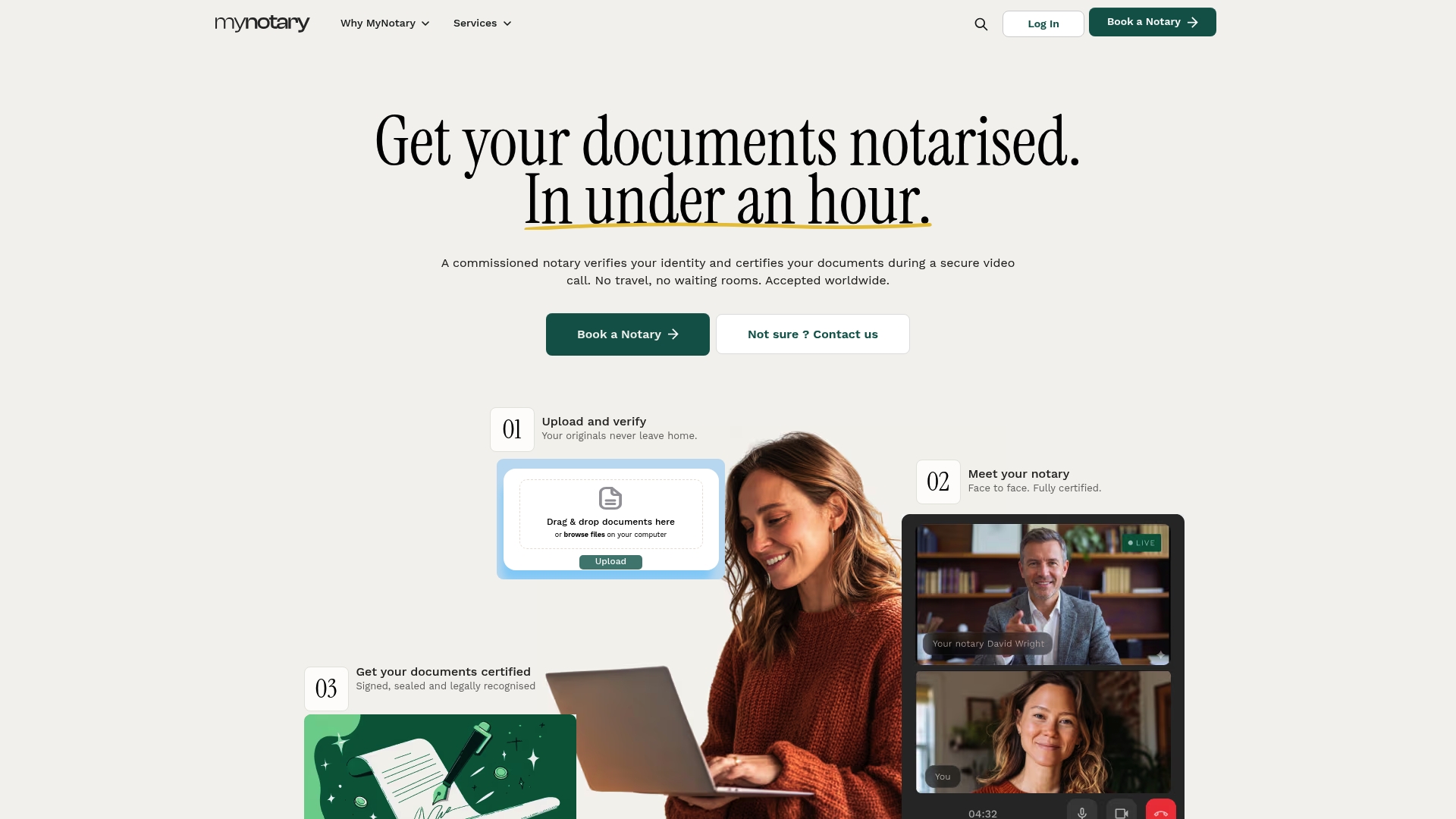
Turnaround for a notarised document can be fast, often with same-day delivery, allowing you to move on to the apostille application without waiting on post. Certified translation services may also be available where required. Our services overview lists the full range, including signature notarisation and corporate document notarisation for company paperwork headed for an apostille.
FAQ
What is the apostille in the UK?
An apostille is a certificate issued by the UK's Legalisation Office that confirms a signature, stamp or seal on a document is genuine. It allows the document to be recognised in other countries that are party to the Hague Convention.
What countries accept apostilles?
Any country that is a contracting party to the Hague Apostille Convention accepts apostilles issued by other contracting parties, according to HCCH. Our list of Hague Convention countries shows which destinations are covered.
What does "e-Apostille" mean?
An e-Apostille is an apostille issued in digital form, created and signed electronically and linked to a secure digital certificate. HCCH confirms it carries the same legal standing as a paper apostille between contracting parties.
How much is an apostille in the UK?
The standard paper apostille fee is £45, while an e-Apostille costs £35. Businesses needing an urgent service pay £100, under fees set out in the Consular Fees (Amendment) Order 2023.
Sources
Recommended
Got questions? We’re on it.
Most questions are answered here, drawn from what people actually ask before booking. If yours isn’t, our team is in chat.
An apostille is a certificate issued by the UK's Legalisation Office that confirms a signature, stamp or seal on a document is genuine. It allows the document to be recognised in other countries that are party to the Hague Convention.
Last updated: