Passport copy notarization: your guide to a certified copy for overseas use
By Jeremy Arhab, Founder · Published 18 August 2026 · Updated 18 August 2026
Learn how to notarize a passport copy for overseas use. Get certified quickly and ensure compliance with international requirements.

Yes, you can get a passport copy notarised, and for most international purposes, that is exactly what you need. A solicitor-certified copy often satisfies UK banks and domestic checks, but foreign authorities, courts and immigration bodies typically insist on a notary's certification before they will accept it.
Your first move is not booking an appointment. It is checking the receiving authority's exact wording.
- Do they ask for a "notarised" copy, a solicitor-certified copy, or an apostilled certification?
- If the answer involves a country outside the UK, assume you will also need legalisation.
- Start with Gov, then decide between the Post Office, a solicitor, the Legalisation Office, or an online notary such as My Notary for speed.
Key Takeaways
A notarised passport copy is required whenever an international authority explicitly asks for one, and getting the notary's seal, signature and details right the first time avoids almost every common rejection.
| Point | Details |
|---|---|
| Check the exact wording first | Confirm whether the recipient needs a certified copy, a notarised copy, or an apostilled certificate before booking anything. |
| Notary beats solicitor for overseas use | International bodies frequently require notary certification specifically, even when a solicitor's copy works domestically. |
| Apostilles authenticate the notary, not the passport | The Legalisation Office checks the notary's signature and seal before issuing an apostille. |
| Illegible seals cause most rejections | Verify the printed name, signature, date and seal are all clear before leaving the appointment. |
| My Notary offers a fast online route | Video-call notarisation with biometric checks delivers certified documents in around one hour, with apostille support available. |
This article is general information, not a substitute for advice from a qualified lawyer. Consult a qualified legal professional about your own circumstances before acting on anything here.
Table of Contents
- What passport copy notarization actually means
- Who can certify your passport copy, and when a notary is essential
- How to get your passport copy notarised, step by step
- Apostille and legalisation: the step most people miss
- What certification, notarisation and apostille typically cost
- Where to get your copy certified and what to check first
- Why notarised passport copies get rejected, and how to fix it
- Keeping your certified passport copy safe
- Why an online notary reduces the errors that cause rejection
- Get your passport copy notarised without leaving home
- Sources
- FAQ
What passport copy notarization actually means
A certified copy is a photocopy that a professional has checked against the original and marked as genuine. The person certifying it writes a statement confirming it is a true copy, signs it, dates it, and adds their contact details. Solicitors, Commissioners for Oaths and accountants can all do this for many everyday UK checks, and GOV.UK's guidance sets out the standard wording and who qualifies.
Notarisation is a specific, stronger form of this process carried out by a commissioned notary. It carries more international weight because notaries follow recognised formalities that foreign authorities and courts expect to see. An affidavit or jurat goes further still: it is a sworn statement, usually used when the receiving body wants the signer to formally attest to something beyond just "this copy matches the original."
A typical notarial certificate for a passport copy reads something like:
Whatever wording is used, check for these elements before you leave:
- The notary's printed name
- Their signature
- The date
- A legible seal or stamp showing their commission details
Who can certify your passport copy, and when a notary is essential
Not every certifier carries the same weight, and matching the wrong one to the wrong purpose is the single most common cause of delay. Domestically, a solicitor, Commissioner for Oaths, or a participating Post Office branch can certify a passport copy quickly and cheaply for things like job applications, school enrolments or some UK financial checks.
International use is a different matter. Overseas authorities, foreign courts, banks abroad and many visa or immigration processes specifically require a notary-certified copy rather than a general certification. Some travellers assume any "certified copy" will do, only to have it rejected because the receiving country's rules name a notary explicitly.
- Domestic checks (UK): solicitor, accountant, or Post Office certification is often enough.
- International legalisation, court use abroad, or explicit instructions naming a notary: you need a notary.
- Overseas emergencies with no local notary available: consular services exist but are limited in scope, so a local notary is usually simpler and cheaper.
Pro Tip: Before booking anything, email or call the receiving organisation and ask them to confirm, in writing, whether they need "certified", "notarised", or "notarised and apostilled." That single question saves most people a second appointment.
How to get your passport copy notarised, step by step
The process is straightforward once you know what the notary needs from you and what they will hand back.
Before your appointment:
- Bring your original passport. The photo and biographic data page must be clear and current, since notaries generally will not certify an expired document.
- Bring a secondary form of ID if the notary or receiving body requests one.
- Check whether you need to bring your own photocopy or whether the notary will produce it during the appointment.
- Confirm payment method and any specific forms the recipient has provided.
During the appointment, the notary verifies your identity against the original passport, compares the photocopy page by page against it, and either attaches their notarial certificate or supervises and notarises an accompanying affidavit. They then sign and apply their seal.
After the appointment, check the finished document carries:
- The notary's printed name and legible signature
- The date of certification
- A clear, readable seal or stamp with commission details
- Confirmation of whether the recipient needs a physical apostilled copy or will accept an electronic version
Apostille and legalisation: the step most people miss
An apostille does not authenticate your passport. It authenticates the notary's signature and seal, confirming to a foreign authority that the person who certified your copy really is a commissioned notary. This distinction trips people up constantly, because they assume the apostille validates the document's content when it actually validates the certifier's act.
You need an apostille when the receiving country or organisation explicitly asks for "legalisation" or an apostilled certified copy, which is common for property purchases abroad, foreign court proceedings, some visa applications and certain corporate registrations overseas.
The practical order matters:
- Get the passport copy notarised correctly first, with all the notary's details present and legible.
- Submit that notarised certificate to the Legalisation Office, which checks the notary's signature, stamp or seal before issuing the apostille.
- Ask whether an e-Apostille is accepted, since some countries now recognise electronic legalisation, which cuts out postal delays entirely.
If the notary's seal is unclear or their details are missing, the Legalisation Office can reject the application outright, regardless of how correct the underlying passport copy is.
What certification, notarisation and apostille typically cost
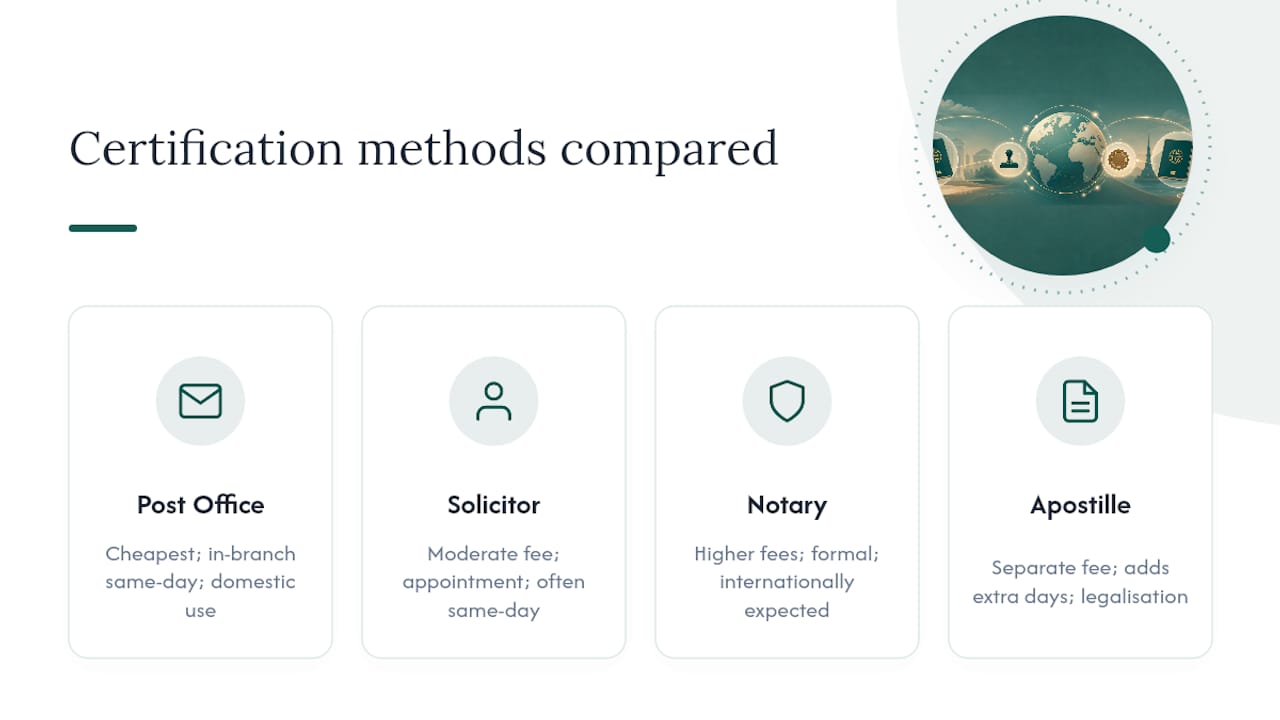
Costs vary by route, and the cheapest option is not always the fastest or the most internationally accepted. Post Office certification is the most budget-friendly for domestic needs, typically handled in-branch on the day. A solicitor's certification usually costs more and may take a scheduled appointment rather than a walk-in visit. Notary fees sit higher again, reflecting the added formality international bodies expect, and a separate apostille fee applies on top if legalisation is required.
Turnaround also differs sharply: Post Office and solicitor certification can often be done same-day, while apostille processing through the Legalisation Office typically adds extra days on top of the notarisation itself. Paying more for a notary or a fast online service is usually worth it when a delay or rejection would cost you a missed deadline abroad, such as a property completion or visa interview.
Where to get your copy certified and what to check first
Your options include selected Post Office branches, solicitors, commissioned notaries, and online notary platforms that work over video call. Each suits a different situation: Post Office for routine domestic checks, solicitors for slightly more formal UK matters, and notaries when the destination is overseas.
Before you leave any appointment, or before you accept a digital certificate from an online provider, check for:
- A legible printed name and signature
- A clear seal or stamp impression, not a faded or partial one
- Commission details that a receiving authority could verify if challenged
- The correct date
Finally, ask the recipient directly whether they will accept an electronic notarised document or insist on a physical, apostilled paper copy sent by post, since this decision shapes your entire timeline.
Why notarised passport copies get rejected, and how to fix it
Rejections are frustrating largely because they are avoidable. The most common causes are an illegible seal, missing notary details, the wrong notarial act (a jurat when an acknowledgement was needed, or vice versa), an expired passport, or a poor-quality copy that misses a required page.
- Illegible seal: return to the notary and request a fresh, clearer impression rather than trying to submit the original.
- Wrong notarial act: ask the receiving body which act they require, then have the notary reissue the certificate correctly.
- Expired passport: you will need a valid passport before any certification can proceed.
- Missing details: request a corrected certificate rather than assuming the recipient will overlook the gap.
Pro Tip: *If your document is heading to a country with unusual legalisation rules, use a notary or online notarisation service, such as My Notary's certified passport copy service, that has handled apostilles for that destination before. Experience with a specific country's expectations catches problems a generalist notary might miss.*
Keeping your certified passport copy safe
Send a certified copy rather than the original whenever you can, since a lost original passport creates far bigger problems than a lost photocopy. Use tracked or signed-for courier services for physical documents, or an encrypted transfer method for digital certificates.
- Store certified copies separately from other paperwork, ideally in a password-protected folder if kept digitally.
- Ask the recipient whether redacting non-essential details, such as your passport number on a covering page, is acceptable.
- Keep a note of the notary's contact details and commission information in case the receiving authority wants to verify the certificate later.
Why an online notary reduces the errors that cause rejection
Most rejected passport copies fail for procedural reasons: an unclear seal, a missing detail, the wrong act, not a problem with the passport itself. An online notarisation platform that pairs biometric identity checks with a structured, repeatable certification process closes off many of these gaps before they happen. That structural consistency is what should reduce rework, not luck.
Get your passport copy notarised without leaving home
There is a faster route than booking a solicitor's appointment or queuing at a Post Office counter: notarisation by video call. My Notary verifies your identity with biometric checks, connects you with a commissioned notary, and issues an electronically signed certificate recognised in over 180 countries, with an average turnaround of around one hour.
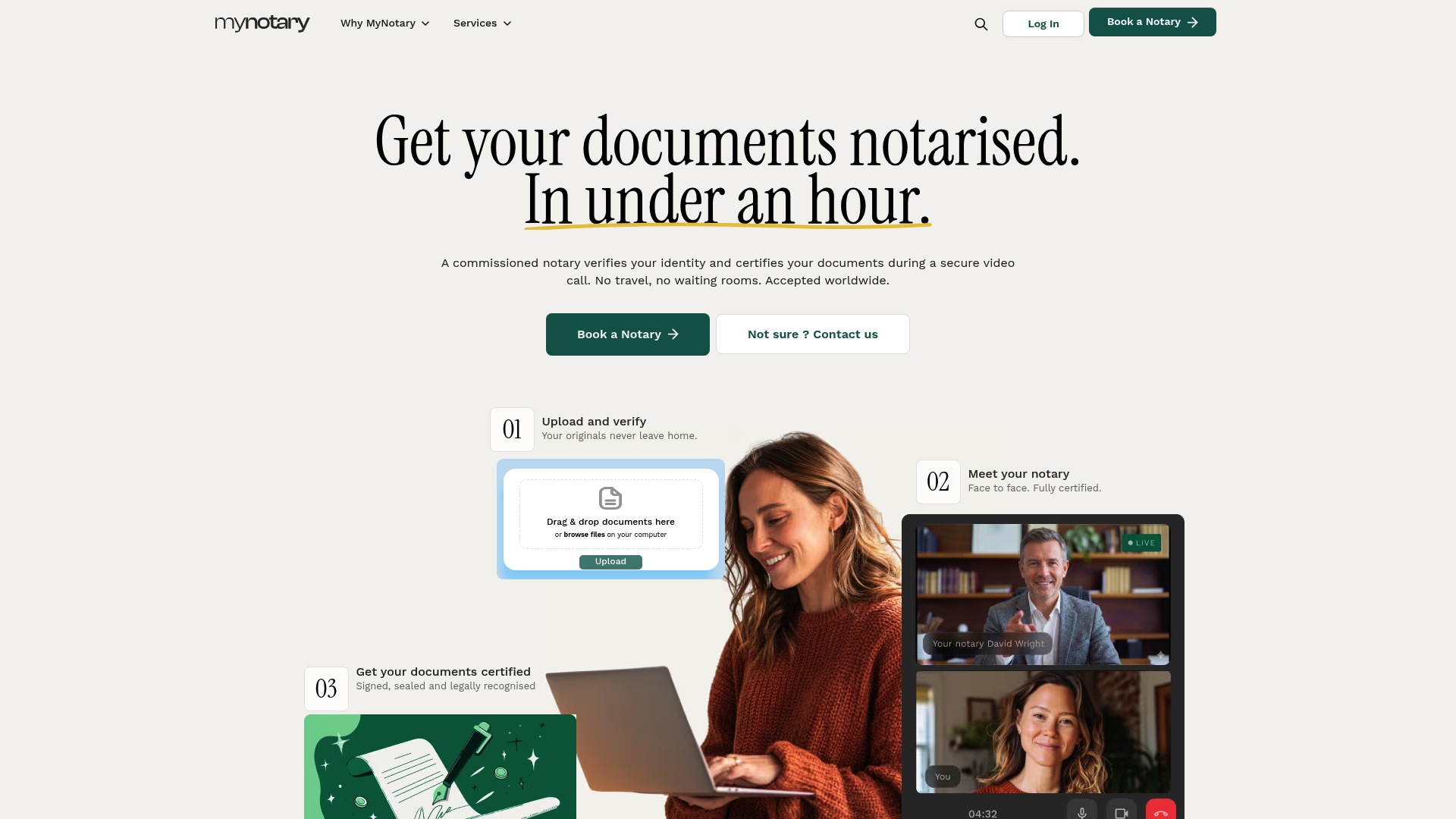
That speed matters most when a deadline is looming, such as a property transaction or visa interview abroad, and it removes the guesswork of finding a notary experienced with your destination country's requirements. If your document also needs legalisation, My Notary can support the apostille process on top of the notarisation itself, so you are not managing two separate appointments with two separate providers. Start with the certified copy of passport service to check availability and get your document moving today.
Sources
- Gov
- Gov
- Document certification service - Post Office
- Certified copy of a UK passport: apostille requirements explained - The Apostille
FAQ
How can I certify a passport copy?
You can use a solicitor, an accountant, a participating Post Office branch, or a commissioned notary, depending on whether the recipient needs domestic certification or full notarisation for international use.
Who can notarise a passport copy?
A commissioned notary handles notarisation; solicitors and Commissioners for Oaths can certify copies for many domestic purposes, but international authorities often require a notary specifically.
How do I get my documents notarised?
Book an appointment with a commissioned notary or use an online service like My Notary, bring your original passport and any secondary ID requested, and the notary will verify your identity, compare the copy, and attach their certificate.
How do you get a photocopy of a passport certified?
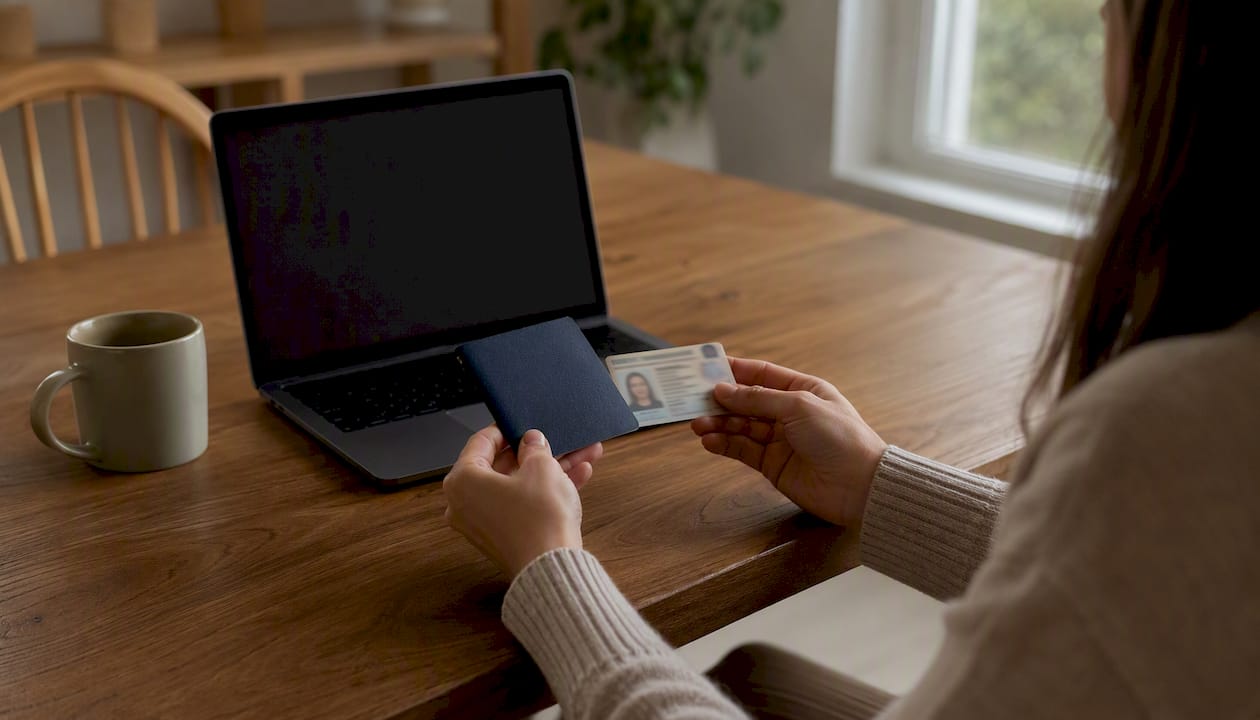
Bring the original passport and a clear photocopy of the photo page to your chosen certifier, who will compare the two, sign, date and stamp the copy with their seal and contact details.
Do I always need an apostille with a notarised passport copy?
No. An apostille is only needed when the receiving country or organisation specifically requests legalisation, not for every notarised copy.
Recommended
Got questions? We’re on it.
Most questions are answered here, drawn from what people actually ask before booking. If yours isn’t, our team is in chat.
You can use a solicitor, an accountant, a participating Post Office branch, or a commissioned notary, depending on whether the recipient needs domestic certification or full notarisation for international use.
Last updated: